
Historical Context
-
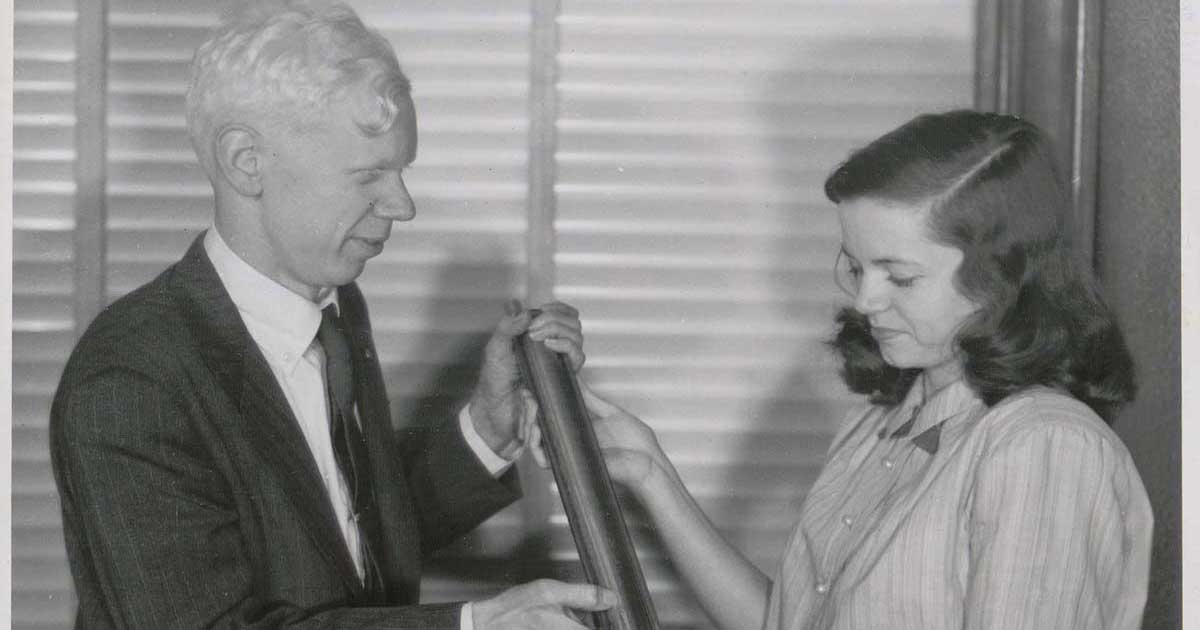
She Helped Build the Memory. Here’s What It Looked Like.
My mother told me she helped design the plug-in vacuum tube memory chassis for UNIVAC. She was a mechanical engineer at the Eckert-Mauchly Computer Corporation starting in 1949. She went by Betty. I believed her. But belief and evidence are different things, and this archive tries to work with evidence. Recently I found a collection…
-
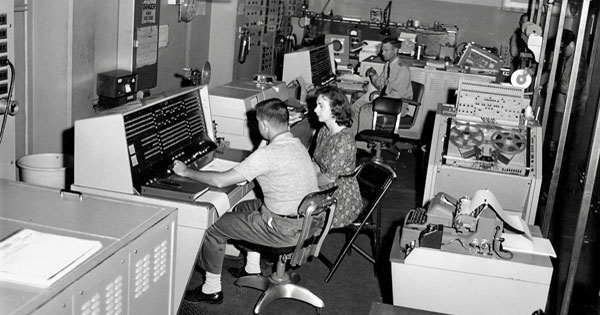
Acceleration Under Pressure
The Naval Tactical Data System and the Engineering Mandate of 1955–1962 (Image: Title page of “Case Study of the Development of the Naval Tactical Data System,” January 29, 1964 ) In January 1964, a formal case study was prepared for the National Academy of Sciences examining the development of the Naval Tactical Data System (NTDS).…
-
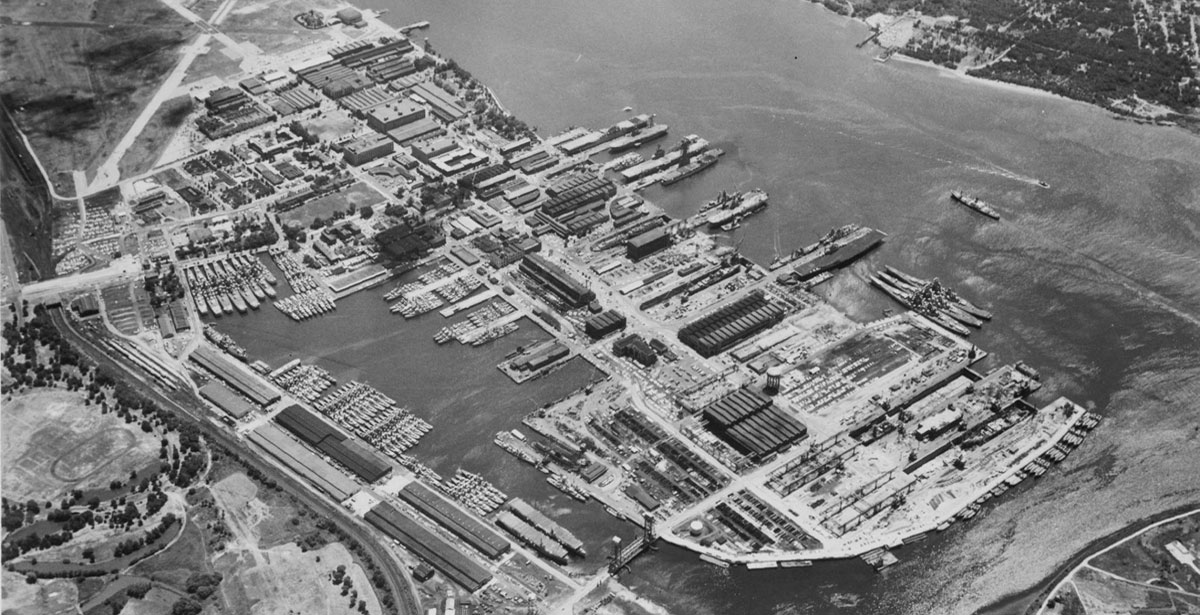
Secondary Asbestos Exposure: A Recognized Occupational Health Risk
Introduction Asbestos exposure is most commonly associated with direct occupational contact in industries such as shipbuilding, construction, manufacturing, and heavy engineering. However, by the mid-20th century, medical researchers and occupational health specialists began documenting cases in which individuals developed asbestos-related diseases without having worked directly with asbestos-containing materials. This phenomenon is now widely referred to…
-
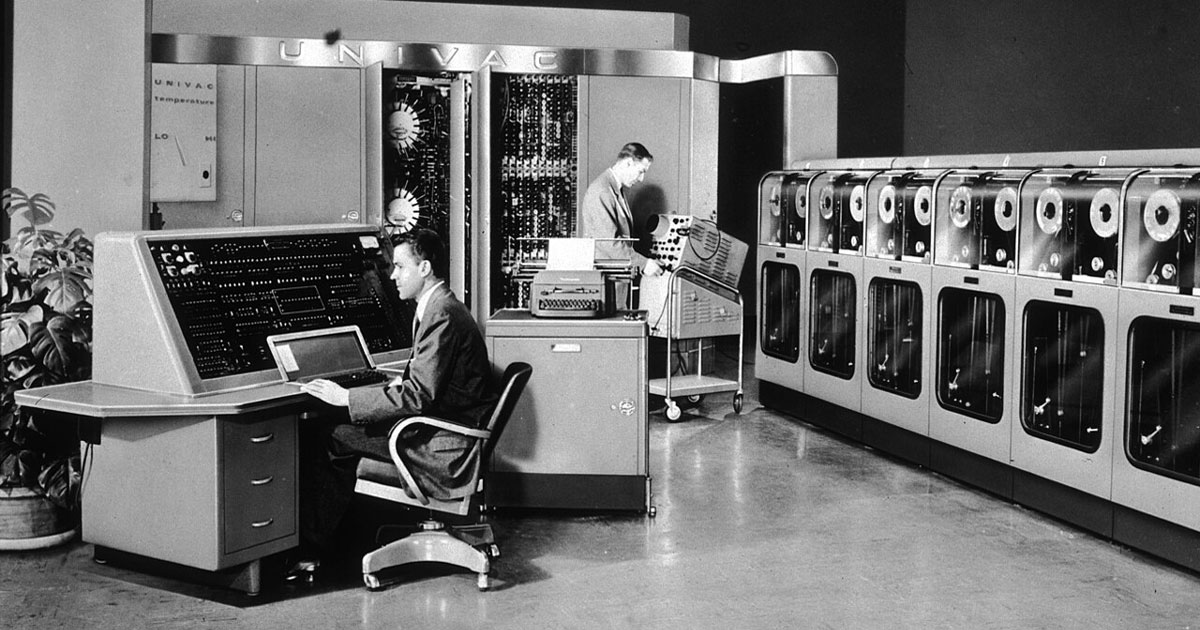
From Military Research to UNIVAC: Navy Infrastructure and Industrial Continuity
By the early 1950s, electronic computing had moved beyond pure experimentation and into a transitional phase between military research and commercial application. This transition was neither accidental nor evenly distributed across industry. It occurred where technical expertise, facilities, and funding converged—most often within military-supported environments. The U.S. Navy was among the earliest and most significant…
-
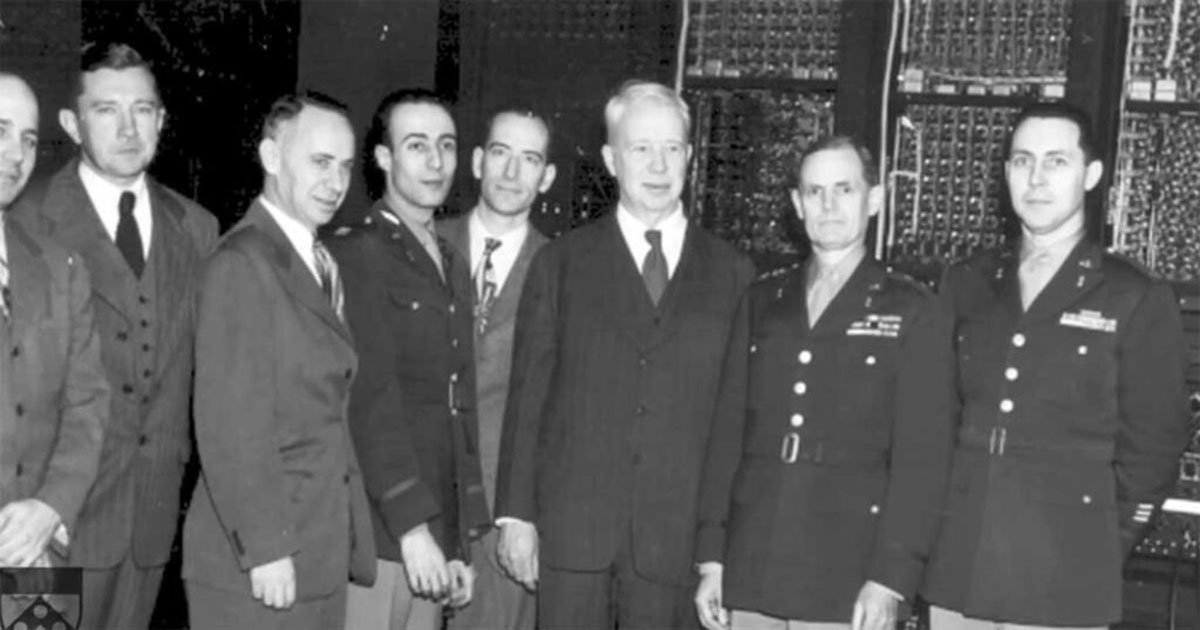
Military Demand and the Birth of Large-Scale Electronic Computing
The rapid emergence of large-scale electronic computing in the United States did not occur in isolation. It was driven primarily by military demand during and after World War II, when speed, scale, and reliability of calculation became strategic necessities. During the 1940s and 1950s, the U.S. armed services—particularly the Navy—were among the only institutions with…