
The development of electronic computing in the United States did not occur in isolation. It was shaped by wartime necessity, Cold War urgency, and sustained military investment—particularly by the United States Navy.
Military Demand and Technological Acceleration
Following World War II, the Navy and other branches of the armed services identified an increasing need for electronic computing systems to support navigation, logistics, weapons development, and information processing. This demand accelerated research timelines and placed sustained pressure on engineers, scientists, and civilian contractors.
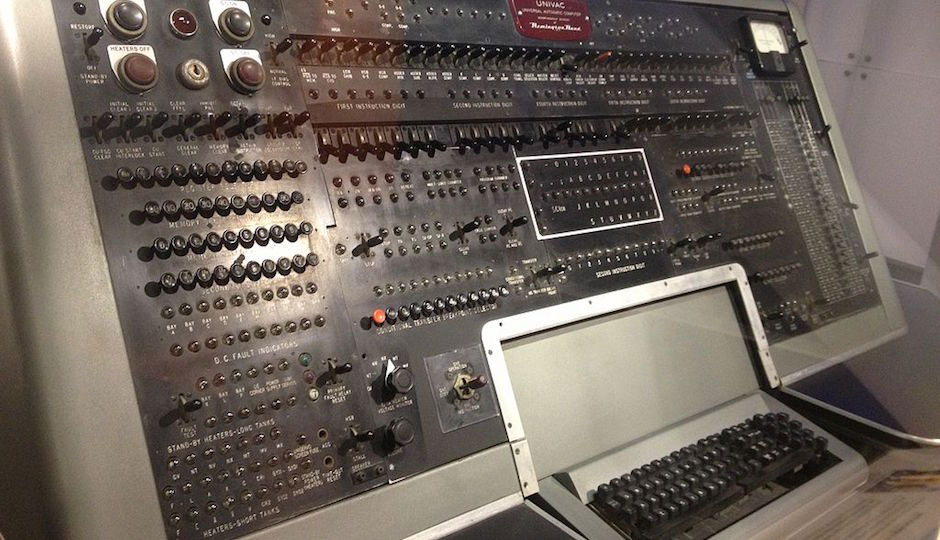
Primary-source documents from the period, including records obtained through the Freedom of Information Act, show that the Office of Naval Research actively expanded its computing programs, established dedicated organizational units, and supported early large-scale digital computer projects.
Civilian Engineers in Naval Environments
Much of this work was performed by civilian engineers employed by private corporations under military contract. These engineers frequently worked within naval facilities, testing environments, and equipment rooms rather than traditional factory or office settings.
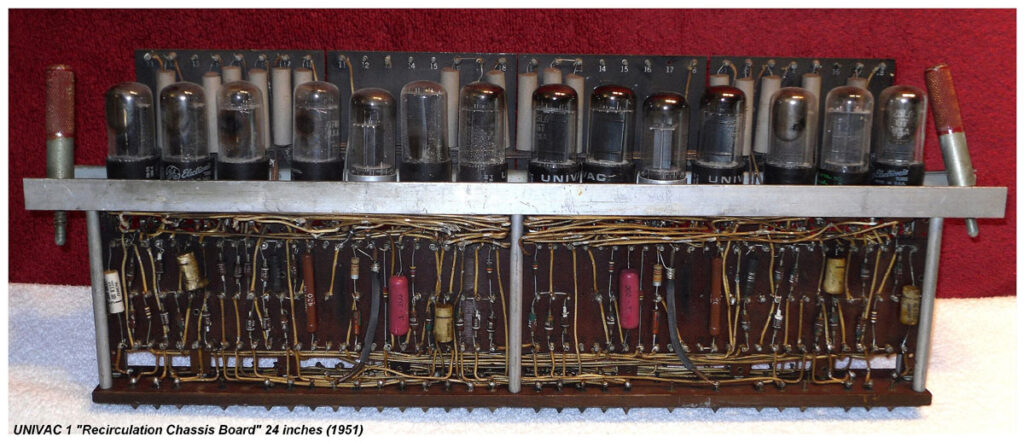
During this period, long-term health risks associated with industrial materials and naval facilities were not fully understood or adequately controlled.
Legacy and Consequence
The technological achievements of early computing helped shape modern information systems and commercial data processing. At the same time, the personal and health consequences faced by those involved—often decades later—were largely invisible at the time of development.
This archive situates individual lives within that broader historical reality.