
Introduction
Asbestos exposure is most commonly associated with direct occupational contact in industries such as shipbuilding, construction, manufacturing, and heavy engineering. However, by the mid-20th century, medical researchers and occupational health specialists began documenting cases in which individuals developed asbestos-related diseases without having worked directly with asbestos-containing materials.
This phenomenon is now widely referred to as secondary, household, or take-home asbestos exposure.
This post provides historical and medical context for how secondary exposure was recognized, studied, and understood—particularly in relation to mid-20th-century industrial and military environments.
What Is Secondary Asbestos Exposure?
Secondary asbestos exposure occurs when asbestos fibers are unintentionally transported from a workplace into non-occupational environments, most commonly through:
- Work clothing
- Shoes
- Hair
- Tools or equipment
Family members and others in close contact with exposed workers may inhale or ingest airborne fibers released during routine activities such as laundering, handling clothing, or shared living spaces.
Importantly, individuals experiencing secondary exposure often had no awareness that exposure was occurring.
Recognition in Medical and Occupational Research
Medical recognition of secondary asbestos exposure developed gradually. Early asbestos research focused almost exclusively on workers with heavy, prolonged occupational exposure. Over time, clinicians began identifying asbestos-related diseases—including mesothelioma—in individuals whose histories did not include direct industrial work.
By the 1960s and 1970s, epidemiological studies increasingly documented cases among:
- Spouses of industrial workers
- Children living in industrial households
- Individuals residing near shipyards, factories, or industrial facilities
These findings led to broader understanding that asbestos fibers could be carried beyond the workplace and remain biologically active even at relatively low exposure levels.
Military and Industrial Environments
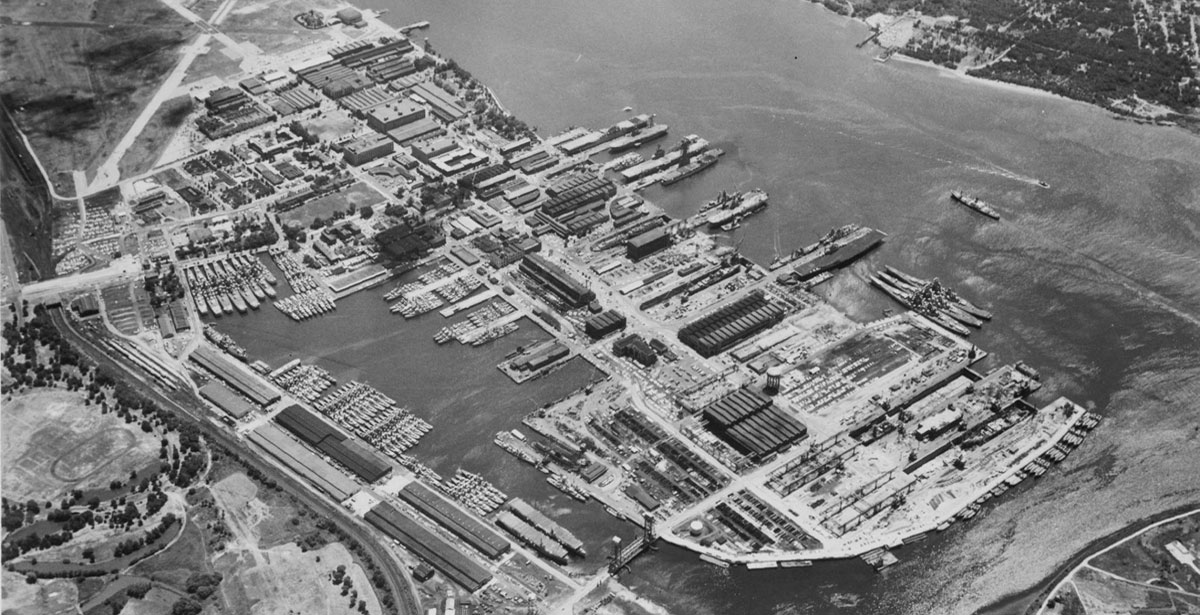
During World War II and the Cold War, asbestos was extensively used for its heat resistance and durability. Military facilities, shipyards, and industrial research sites frequently incorporated asbestos in insulation, piping, electrical systems, and equipment housings.
At the time, safety protocols regarding asbestos handling, containment, and decontamination were limited or nonexistent. Workers often wore their work clothing home, and laundering occurred in domestic settings.
The concept of secondary exposure was not widely recognized or communicated during this period.
Latency and Diagnosis
One of the most challenging aspects of asbestos-related disease is its long latency period. Mesothelioma may develop decades after initial exposure, complicating efforts to identify exposure pathways.
Because early diagnostic tools were limited, asbestos-related diseases were often misdiagnosed or attributed to other conditions well into the late 20th century.
Modern understanding of asbestos pathology reflects advancements in imaging, pathology, and occupational health research that were unavailable during the era when many exposures occurred.
Context, Not Conclusion
This discussion of secondary asbestos exposure is presented as historical and medical context only.
- It does not establish exposure in any specific individual case
- It does not assign responsibility or causation
- It does not substitute for medical or legal analysis
Instead, it documents a recognized risk pathway that was poorly understood during the mid-20th century and has since become a significant area of occupational health research.
Why This Context Matters
Understanding secondary asbestos exposure helps explain why asbestos-related diseases may appear in individuals without direct industrial employment histories. It also underscores the broader human impact of industrial practices during periods when health risks were incompletely understood.
This context is essential when examining historical records, family histories, and medical outcomes that span multiple generations.