
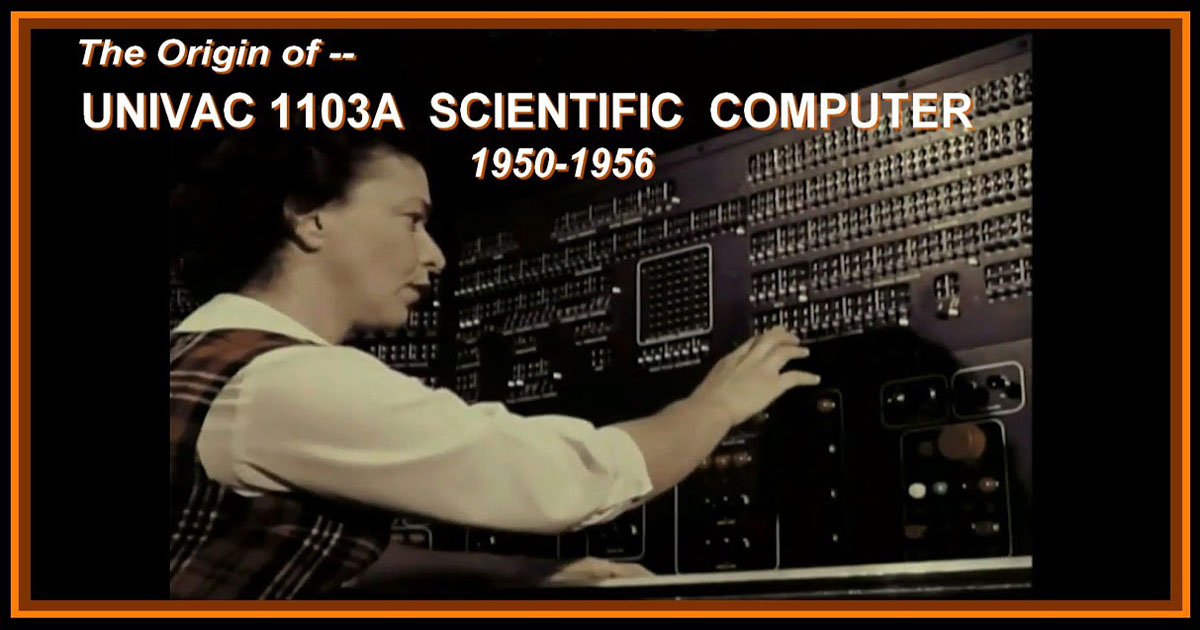
Two primary-source documents have been added to the CW Jay Archive to support and contextualize early naval computing activity at the Philadelphia Naval Shipyard.
These materials are unclassified, contemporaneous, and originate from independent sources—one institutional and one personal—providing complementary perspectives on UNIVAC system deployment and operation.
Office of Naval Research Newsletter (1959)
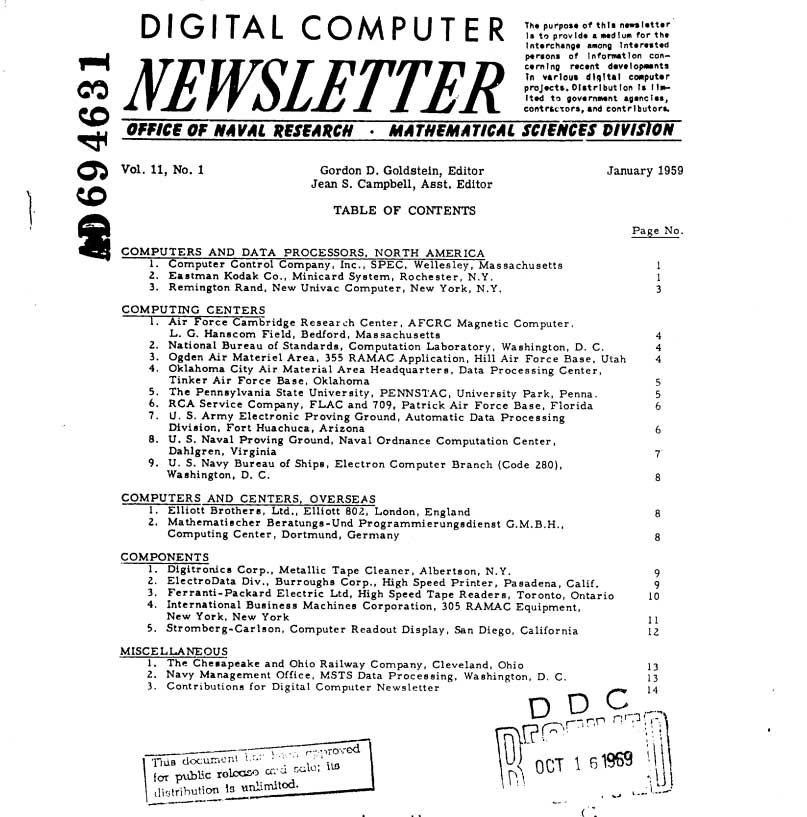
A newsletter issued by the Office of Naval Research, U.S. Navy Bureau of Ships, documents the expansion of Navy computing activities and records that a UNIVAC II computer was turned over for operational use at the Philadelphia Naval Shipyard on October 15, 1958.
This document confirms PNSY as an active Navy computing site and reflects broader Navy investment in electronic data processing during the Cold War period.
Oral History Interview – Kenneth Kolence
An oral history interview conducted by the Computer History Museum with Kenneth Kolence provides firsthand testimony from a UNIVAC engineer involved in system delivery, operator training, and documentation.
Kolence discusses:
- Working directly with Commander Grace Hopper
- Training operators and maintaining system usability
- Internal corporate conflicts between EMCC, ERA, Remington Rand, and Sperry Rand
- Delays and technical limitations affecting UNIVAC II deployment
Together, these sources strengthen the documentary foundation of the archive by independently confirming technical activity, organizational complexity, and operational use of UNIVAC systems within Navy environments.
The original documents are preserved separately. Excerpts are presented here for reference and research transparency.